Construction Loans, Explained
The technical details behind financing a home you're building or placing - construction-only, construction-to-permanent, and everything in between.
Construction-Only vs. Construction-to-Permanent
The two core structures behind almost every construction loan - the difference comes down to how many times you close.
Construction-to-Permanent
Single-close, also called one-time close. Covers the building phase and rolls directly into a traditional 15- or 30-year mortgage once construction is complete. You pay interest-only during the build, and since it converts automatically, you go through one closing and one set of closing costs.
Construction-Only
Two-close, also called two-time close. Funds just the build phase, typically six to twelve months. Once construction wraps, the balance is due - paid off in cash or by refinancing into a separate permanent mortgage. Two applications and two closings, but you're not locked into a rate before you know what the market looks like once the home is finished.
Three Ways to Build
The type of home affects both the build process and how the loan is structured.
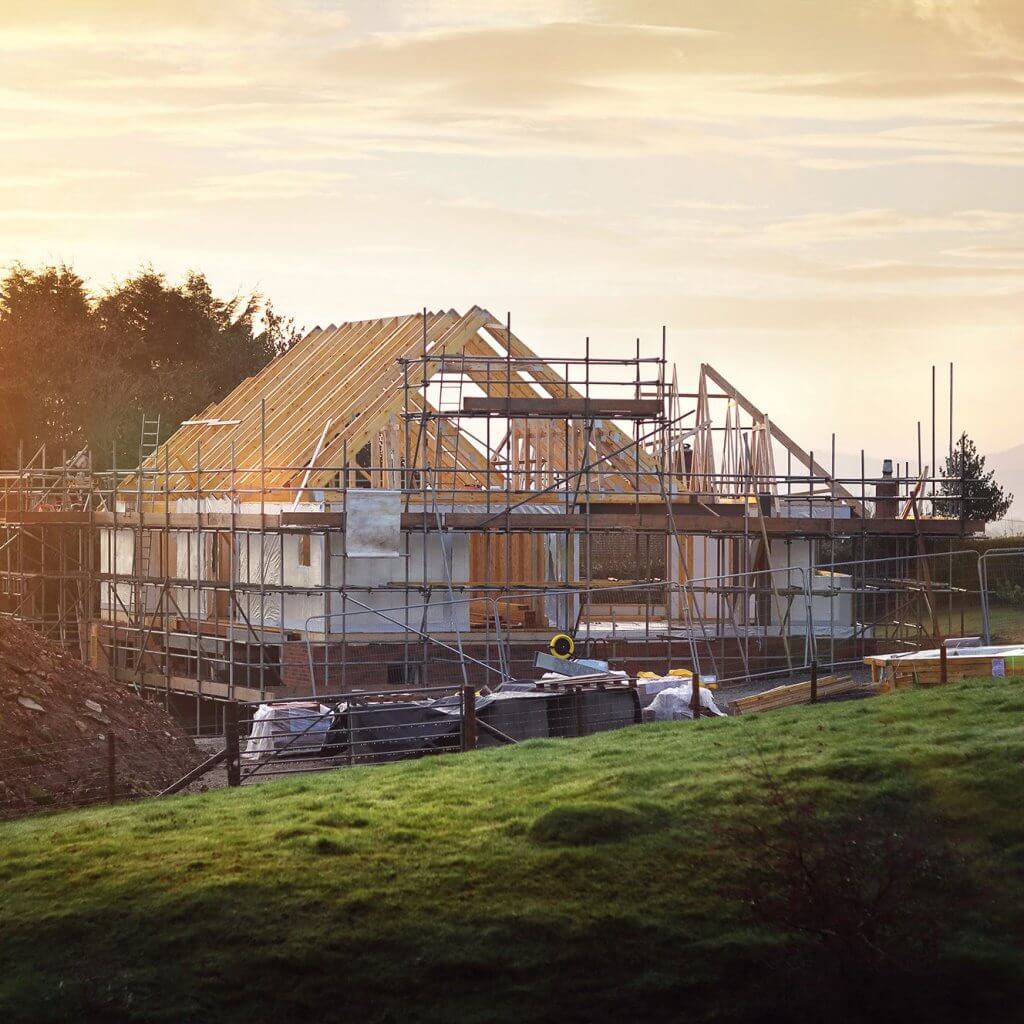
Stick-Built
Built entirely on-site using traditional construction methods. Of the three build types, stick-built homes tend to appreciate the most in value.
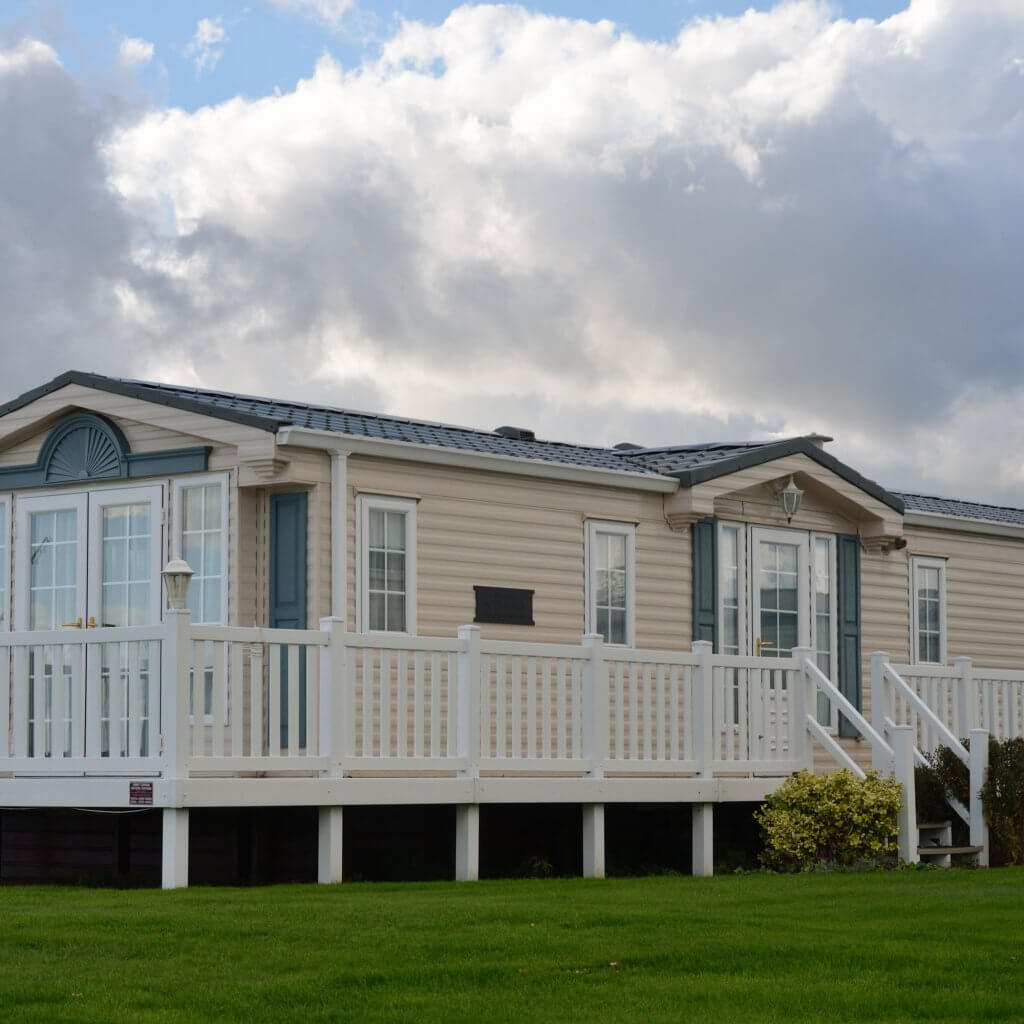
Manufactured
Built off-site for efficiency and affordability, then transported to your property on a wheeled chassis. Typically limited to 2,200 sq ft, and priced lower than modular construction.
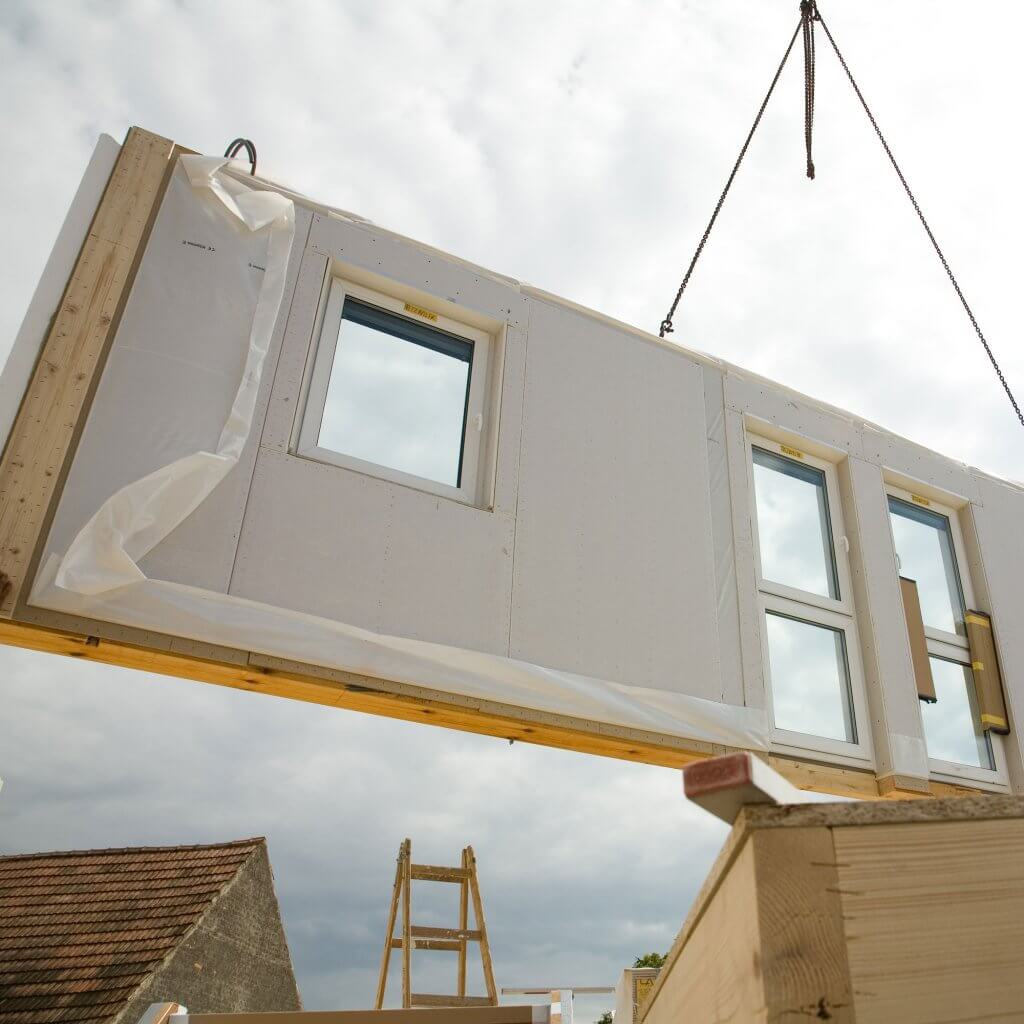
Modular
Built in sections off-site, then assembled on your property. Because each room is built individually, modular homes offer more customization than manufactured homes, and tend to appreciate in value - though at a higher cost.
Conventional or FHA Construction Financing
Requirements vary depending on which program fits your situation.
Conventional Construction
Credit score of 680 or higher. Debt-to-income ratio up to 45%. Down payment of 20-25%. Requires a detailed construction plan and a builder for the project.
FHA Construction
Credit score of 640 or higher (620 with a 10% down payment). Debt-to-income ratio below 43%. Down payment of at least 5% (10% if credit is below 620). Cannot exceed FHA loan limits.
Documents We Commonly Ask For
Every project is different, so not all of these will apply to your situation - but having them handy tends to speed things along.
Ready to Move Forward?
You've got the technical details - now let's get you prequalified and moving toward your build.
Start My Prequalification